
Double Hung Timber Windows in Sydney: A Smart Choice for Ventilation, Style and Modern Living

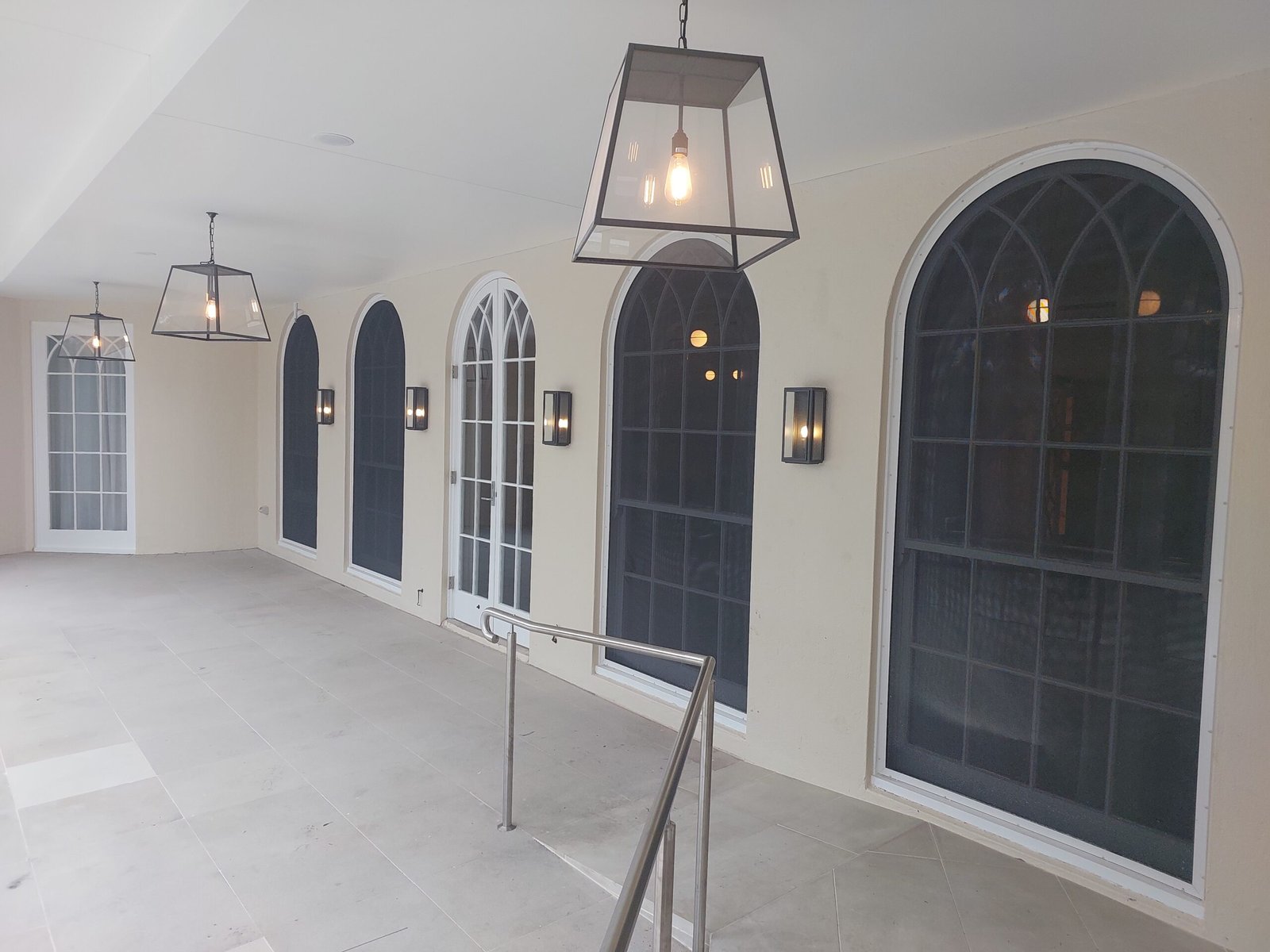
Double hung timber windows in Sydney are a popular choice for people who want good ventilation, style, and modern living.
Windows are very important for how a home feels and works. In Sydney, the weather can vary from cool breezes to humid days, so choosing the right windows becomes even more important.
One type of window that is widely used in both modern and older homes is double hung timber windows. They combine design with performance, offering airflow, energy efficiency, and visual appeal.
If you are thinking of upgrading or installing new windows, understanding the benefits of double hung timber windows in Sydney can help you make the right decision.
What are Double Hung Timber Windows?
Double hung timber windows are a type of window made from wood with two panels that slide up and down.
- The top panel can move down
- The bottom panel can move up
This design allows better control of airflow and ventilation inside your home.
These windows are commonly used in:
- Heritage homes
- Terrace houses
- Old-style properties
- Homes with traditional design elements
Why are Double Hung Timber Windows Popular in Sydney?
Sydney homes require a balance between appearance and functionality. Double hung timber windows meet both needs.
Key Benefits
1. Great Ventilation
One of the biggest advantages is airflow. When both panels are open, cool air enters from the bottom and warm air exits from the top. This natural airflow helps keep your home comfortable without relying heavily on air conditioning.
2. Suitable for Sydney’s Climate
Sydney’s climate includes warm summers, humid coastal air, and occasional strong winds. These windows help manage indoor temperature by improving air circulation.
3. Ideal for Heritage Properties
Many Sydney suburbs have rules to maintain the original look of buildings. Double hung timber windows help preserve the style, meet council requirements, and maintain property value.
4. Space-Saving Design
These windows slide vertically instead of opening outward, making them ideal for apartments, narrow spaces, and areas near walkways or balconies.
Key Benefits of Double Hung Timber Windows
1. Energy Efficiency
Wood acts as a natural insulator. When combined with glazing and draught-proofing, it helps reduce heat loss and lowers energy bills.
2. Timeless Style
Timber windows offer a classic look that suits both modern and older homes. They can be customised with different finishes, colours, and glazing patterns.
3. Easy Maintenance and Repair
Timber can be repaired, sanded, and repainted, which extends the life of the windows.
4. Long-Term Durability
With proper care, double hung timber windows can last for decades, making them a long-term investment.
5. Noise Reduction
Upgraded glazing options can help reduce outside noise, especially in busy areas of Sydney.
When to Choose Double Hung Timber Windows
You should consider double hung timber windows if:
- You want better ventilation in your home
- Your property is in a heritage zone
- You prefer a traditional window style
- You have limited external space
- You want energy-efficient window solutions
They are suitable for both renovations and new constructions.
Design Options for Double Hung Timber Windows
Double hung timber windows offer several customization options:
1. Glazing Styles
- Single glazing for a traditional look
- Double glazing for better energy efficiency
2. Frame Finishes
- Natural wood finish
- Painted finishes
- Stained wood options
3. Hardware Choices
- Standard locks
- Advanced security fittings
4. Grid Patterns
- Decorative glazing bars
- Clean panel designs
Choosing the right combination helps match your home’s style.
Installation Considerations in Sydney
Before installing double hung timber windows in Sydney, consider:
- Local council regulations
- Heritage property guidelines
- Building structure compatibility
- Professional installation requirements
Working with experienced professionals ensures proper fitting and compliance.
Cost of Double Hung Timber Windows in Sydney
The cost depends on several factors:
- Size of the window
- Type of timber used
- Glazing options
- Custom design features
Average Cost Estimate:
- Basic installation: $800–$1,500 per window
- Custom or heritage design: $1,500–$3,000 per window
Although the upfront cost may be higher, the long-term benefits make it worthwhile.
How to Choose the Right Supplier in Sydney
Choosing the right company is important for quality results. Look for:
- Experience with window installation
- Knowledge of Sydney heritage rules
- Skilled craftsmanship
- Transparent pricing
- Positive customer reviews
A reliable supplier ensures durability and performance.
Maintenance Tips for Double Hung Timber Windows
- Clean regularly
- Repaint or reseal when needed
- Check for gaps or leaks
- Repair minor issues early
Regular maintenance helps increase lifespan and performance.
Future Trends in Timber Window Design
The industry is evolving with improvements such as:
- Energy-efficient glazing
- Noise reduction features
- Sustainable timber sourcing
- Advanced sealing technologies
These upgrades combine traditional design with modern performance.
Conclusion
Double hung timber windows are a strong choice for Sydney homes. They offer excellent ventilation, classic design, and long-term durability.
Whether you own a heritage property or a modern home, they provide a balance of style and functionality.
By choosing the right design, materials, and installation, you can improve your home’s comfort, value, and energy efficiency for years to come.
FAQs
What are Double Hung Timber Windows?
They are windows with two panels that slide up and down, allowing better airflow and ventilation.
Are Double Hung Timber Windows good for ventilation?
Yes, they allow cool air to enter from the bottom and warm air to exit from the top.
Are Double Hung Timber Windows energy efficient?
Yes, timber is a natural insulator, and with double glazing, it improves energy efficiency.
Are Double Hung Timber Windows suitable for Sydney homes?
Yes, they are ideal due to climate conditions, ventilation needs, and heritage requirements.