
Soundproofing Sydney: Costly Mistakes to Avoid for Better Noise Reduction

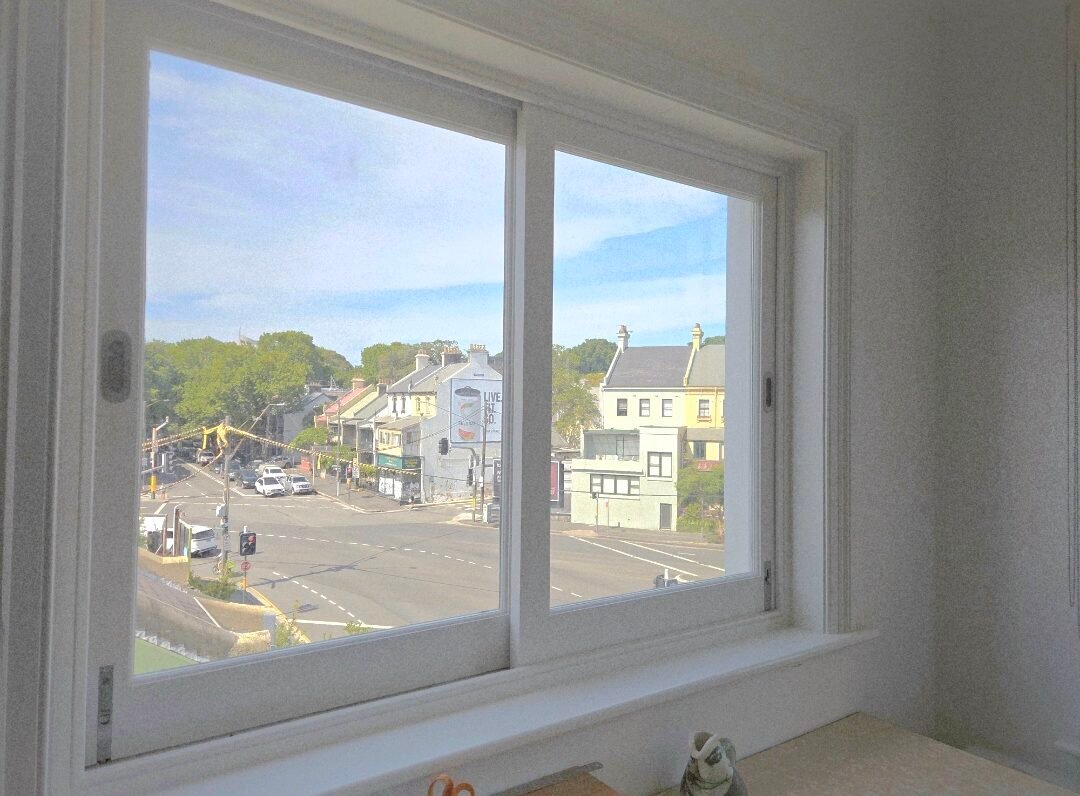
Noise is something many people deal with every day. Traffic, construction, noisy neighbours, and city life can make your home feel less peaceful. That is why many homeowners start looking for soundproofing solutions in Sydney to create a quieter living space.
However, many people approach soundproofing the wrong way. They spend money on solutions that do not work effectively, leading to frustration, wasted costs, and little improvement in noise levels.
If you are planning to reduce noise in your home, it is important to understand what mistakes to avoid. Noise does not just affect comfort—it can impact sleep, focus, and overall well-being. The goal of soundproofing is not to eliminate sound completely but to reduce it to a comfortable level.
Common Soundproofing Mistakes to Avoid
1. Removing Existing Wall Structures
Many people think removing walls will improve soundproofing. In reality, older walls—such as plaster and lath—can naturally reduce sound. Instead of removing them, repairing cracks and improving their condition can enhance sound insulation.
2. Choosing the Wrong Materials
Using incorrect materials is a major mistake. Common DIY options include:
- Foam
- Cardboard
- Mattresses
- Cheap panels
These materials do not effectively block sound. Proper soundproofing requires specialised acoustic materials designed to reduce noise transmission.
3. Using Low-Quality Glass
Windows play a major role in noise reduction. Low-quality glass is ineffective, while laminated glass and double glazing offer much better performance.
Professional acoustic glazing solutions use layered glass to reduce sound vibrations more effectively.
4. Relying on Temporary Fixes
Quick fixes such as curtains, carpets, and drapes may reduce echo within a room, but they do not stop external noise.
They improve acoustics inside the space but do not provide true soundproofing.
5. Ignoring Gaps
Even small gaps around windows and doors allow sound to enter. Without proper sealing, even the best materials will not work effectively.
Professional soundproofing focuses heavily on sealing these gaps to prevent noise leakage.
6. Not Treating the Whole Room
Many people only focus on windows or walls. However, sound can travel through:
- Ceilings
- Floors
- Doors
Effective soundproofing requires addressing the entire structure.
7. Avoiding Professional Help
DIY approaches may seem cost-effective but often deliver poor results. Professional services ensure proper assessment, materials, and installation for long-term performance.
Why Standard Methods Do Not Work
Many traditional methods fail because they absorb sound rather than block it.
True soundproofing requires:
- Proper materials
- Effective sealing
- Advanced glazing
- Structural improvements
This is especially important in older or heritage homes, where original windows allow more sound to pass through.
The Right Way to Reduce Noise
1. Upgrade Window Glazing
Windows are one of the main sources of noise entry. Using double glazing, laminated glass, or acoustic glazing can significantly reduce outside noise.
2. Improve Window Sealing
Proper sealing is one of the simplest and most effective improvements. It prevents sound from entering through gaps.
3. Use Professional Soundproofing Solutions
Professional solutions include:
- Acoustic window upgrades
- Insulation improvements
- Custom glazing systems
These methods are designed for long-term effectiveness.
4. Retrofit Instead of Replace
Many homeowners assume they need to replace their windows. However, retrofit glazing can improve soundproofing while preserving the original window design.
This is especially useful for timber and sash windows.
Soundproofing for Heritage and Timber Windows
Older homes often feature timber windows but lack proper sound insulation. Replacing them is not always necessary.
Modern solutions allow you to:
- Keep original windows
- Improve insulation
- Reduce noise
This approach maintains both design and performance.
Choosing the Right Soundproofing Solution
To choose the best solution, consider:
- Your window type
- The level of noise
- Your budget
- Your property structure
A professional assessment helps determine the most effective approach.
Conclusion
Soundproofing is not just about adding materials—it is about using the right methods correctly.
Avoiding common mistakes can save money and deliver better results. Instead of relying on temporary fixes, focus on proven solutions such as proper glazing, sealing, and professional installation.
Investing in the right soundproofing approach can significantly improve your comfort, sleep, and overall quality of life.
