
What Is Draught-Proofing? How It Works for Timber Windows in Sydney

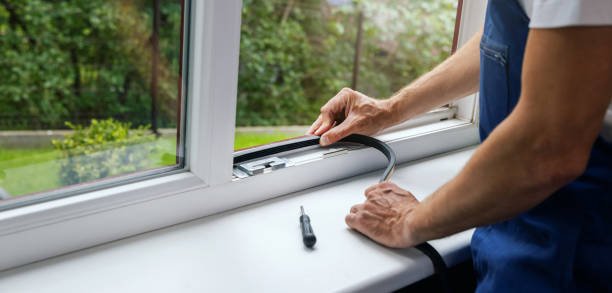
If you’ve ever felt a cold breeze coming through a closed window, you already know the problem. Most older Sydney homes especially those with timber sash windows have small gaps that let in outside air, dust, and noise. This is where draught-proofing timber windows makes a real difference. It’s a simple process that seals those gaps and keeps your home comfortable year-round. And unlike replacing your windows, it’s affordable, quick, and preserves the original character of your home. In this guide, we’ll explain exactly what draught-proofing is, how it works, and when it’s the right choice for your Sydney home.
What Is Draught-Proofing?
Draught-proofing is the process of sealing the gaps around and within your windows to stop unwanted airflow. In timber windows especially older sash-style windows these gaps develop over time as the timber shifts, dries out, or simply wears away.
These gaps might look small, but they’re enough to:
- Let cold air pour in during winter
- Push your heating and cooling bills up
- Let in street noise, dust, and insects
- Make rooms feel uncomfortable even when the heater is running
Draught-proofing doesn’t mean replacing your windows. It means fixing what’s already there and doing it properly.
Common Problems That Lead to Draughts in Timber Windows
Understanding where draughts come from helps you decide what needs fixing. Here are the most common causes in Sydney homes:
- Worn or missing weatherstripping: The flexible seal around the window frame breaks down over time. Once it’s gone, there’s nothing blocking the airflow.
- Warped or shrunken timber: Sydney’s humidity and heat cause timber to expand and contract. This creates uneven gaps along the frame edges.
- Sash cord problems: In double-hung sash windows, worn cords cause the sashes to sit unevenly, leaving visible gaps at the top or bottom.
- Old putty falling out: The glazing putty that holds the glass in place can crack and fall away, letting air in directly around the glass pane.
- Gaps between sashes: On older windows, the two sashes may no longer meet flush in the middle, creating a gap right across the centre of the window.
In a typical Federation or Edwardian home in Sydney, you might have all of these happening at once especially if the windows haven’t been touched in decades.
How Draught-Proofing Timber Windows Works
Draught-proofing isn’t just pushing foam tape into a gap. Done properly, it’s a careful process that addresses each specific source of airflow. Here’s how a professional approach works:
- Step 1 – Inspection: A technician checks every part of the window the sashes, frame, glass edges, and meeting rails to find exactly where air is getting in.
- Step 2 – Timber preparation: Any warped, cracked, or swollen timber is repaired or planed back so everything fits together properly again.
- Step 3 – Installing draught seals: Purpose-made draught sealsusually a brush pile or rubber seal are fitted into the channels where the sashes meet the frame. These are far more durable than foam tape.
- Step 4 – Parting bead and staff bead work: On sash windows, the beads that guide the sashes are often replaced or adjusted so the sashes move smoothly and seal tightly.
- Step 5 – Glazing check: If the putty around the glass is cracked or missing, it’s reapplied to seal that area properly.
- Step 6 – Final test: The window is opened and closed multiple times to make sure it moves freely, seals well, and there’s no airflow from any direction.
The result is a window that opens and closes properly, seals tightly, and still looks exactly as it should.
Benefits of Draught-Proofing Your Timber Windows
Here’s why Sydney homeowners are choosing draught-proofing over window replacement:
- Lower energy bills: Sealing gaps means your heating and cooling system doesn’t have to work as hard. Some homeowners see a noticeable drop in their energy costs after just one season.
- More comfortable home: No more cold spots near windows in winter or stuffy rooms in summer. The temperature stays more even throughout the house.
- Less outside noise: Gaps that let in air also let in sound. Sealing them reduces street noise great if you live near a busy road.
- Protects the timber: Draughts carry moisture. Sealing the gaps reduces the amount of moisture getting into the timber frame, which helps prevent rot and swelling.
- Keeps heritage character intact: For homes in heritage areas of Sydney, replacing windows may not be an option. Draught-proofing keeps the original windows while fixing the functional problems.
- Cost-effective: Draught-proofing costs a fraction of what full window replacement does and for most timber windows, it delivers excellent results.
Draught-Proofing vs Window Replacement: Which Is Right for You?
A lot of homeowners assume the only fix for draughty windows is to replace them. That’s rarely true and replacement can cost thousands of dollars per window.
Choose draught-proofing if:
- Your windows are structurally sound but let in air or noise
- You have heritage or character windows you want to keep
- You want a cost-effective solution that delivers quick results
- The timber itself is in reasonable condition (no major rot)
Consider replacement if:
- The timber frame has extensive rot that can’t be repaired
- The window has been badly damaged or broken beyond repair
- The glass unit itself is failed (e.g., double-glazing with fogging between panes)
In most cases particularly in older Sydney homes draught-proofing combined with a timber restoration is all you need.
What Does Draught-Proofing Cost in Sydney?
Costs vary depending on a few factors, but here’s a general idea of what to expect:
- Number of windows: More windows means more labour and materials. Many companies offer a better rate when doing multiple windows at once.
- Condition of the timber: If the frames need significant repair work before the seals go in, that adds to the cost.
- Type of window: Standard double-hung sash windows are straightforward. Casement or custom windows may take longer to seal properly.
- Access and height: Upper-storey windows that require scaffolding or ladders will cost more than ground-floor work.
As a rough guide, draught-proofing in sydney typically costs significantly less per window than a full replacement often less than 10–20% of the replacement cost. Getting a quote from a specialist is the best way to get an accurate number for your home.
Draught-Proofing and Heritage Homes in Sydney
Sydney has a large number of heritage-listed and character homes Federation, Victorian, Edwardian, and Californian Bungalow styles are all common across the inner suburbs and surrounding areas. These homes typically have original timber sash windows that are part of their heritage value.
For these properties, replacing windows with modern aluminium or uPVC is often not permitted under heritage guidelines. And honestly, it would look wrong anyway.
Draught-proofing is the right approach here because:
- It keeps the original windows exactly as they are
- It improves performance without altering the look
- It complies with heritage conservation guidelines
- It extends the life of the original timber by reducing moisture ingress
Many council areas across Sydney actively encourage this type of sympathetic restoration work as an alternative to window replacement.
Common Mistakes to Avoid with Draught-Proofing
A DIY draught-proofing job might seem straightforward, but there are a few mistakes that homeowners often make:
- Using cheap foam tape: Self-adhesive foam tape compresses quickly and degrades within a season or two. It’s not a long-term solution for timber sash windows.
- Sealing the window shut: Some people apply sealant around the entire frame, which prevents the window from opening. Draught seals need to allow the window to function normally.
- Ignoring the glazing putty: Focusing only on the frame gaps and missing the cracked putty around the glass means air and moisture still get in.
- Not addressing the root cause: If the timber itself is warped or swollen, no seal will hold properly. The timber needs to be in reasonable condition first.
- Going for replacement when repair would do: A tradesperson who only does replacements will suggest replacement. Get an opinion from a specialist who focuses on restoration.
Frequently Asked Questions
How long does draught-proofing last on timber windows?
A professional job using quality draught seals should last 10 years or more with normal use. Brush pile seals in particular are very durable and handle the constant movement of sash windows well. Cheap foam tape, by contrast, may only last 1–2 seasons.
Can I draught-proof my windows myself?
You can do a basic job yourself using weatherstripping from a hardware store. However, for sash windows especially on heritage homes professional work delivers much better results. The seals need to be fitted into the channels precisely, and the timber usually needs some preparation work first. A botched DIY job can make the window harder to operate and won’t last.
Will draught-proofing make a noticeable difference to my energy bills?
Yes particularly in older homes where the windows haven’t been touched for years. The gaps in an unserviced timber sash window can add up to a significant amount of uncontrolled airflow. Sealing them reduces the load on your heating and cooling system. The exact savings depend on the number of windows and how leaky they were before, but many homeowners notice the difference in their first winter or summer after the work is done.
Does draught-proofing affect how the window opens and closes?
No when done properly, draught-proofing actually improves the way your window operates. The seals are designed to work with a moving sash, so the window still opens and closes smoothly. In fact, if the window was previously stiff or rattling, the restoration work done alongside the draught-proofing often makes it easier to use.
Is draught-proofing suitable for heritage-listed homes in Sydney?
Absolutely. Draught-proofing is one of the most heritage-friendly upgrades you can make, because it improves the window’s performance without altering its appearance. It’s widely used on heritage properties across Sydney and is generally well-regarded by heritage councils as a sympathetic approach to window maintenance.
Ready to Stop the Draughts? Talk to Sash Masters
Draughty windows don’t have to mean expensive replacements. For most Sydney homes especially those with original timber sash windows draught-proofing is the smarter, more affordable answer. It seals the gaps, improves comfort, cuts energy costs, and preserves the look of your home.
At Sash Masters, we specialise in timber window restoration and draught-proofing for homes across Sydney. Whether you have a single window that rattles in the wind or an entire Federation home that needs attention, we’ll give you an honest assessment and a professional result.
Get in touch with Sash Masters today for a free quote. or call us to book an inspection. We’ll take a look, explain exactly what’s needed, and give you a clear price no surprises.