
Sash Window Repairs in Inner West Sydney: Suburb-by-Suburb Guide

If you own a home in Sydney’s Inner West, chances are you’re dealing with at least one set of old sash windows. Maybe they’re painted shut. Maybe they rattle every time a truck rolls past. Maybe the cold air sneaks in no matter what you try.
Sash window repairs in Inner West Sydney are more common than most people realise and for good reason. Suburbs like Balmain, Newtown, Leichhardt, and Annandale are packed with Federation and Victorian-era homes, and those properties almost always have original timber sash windows. These windows are worth keeping. They add character, they’re built to last, and they can be restored to work like new. This guide walks you through what’s typical in each Inner West suburb and what you can do about it.
Why Inner West Homes Have So Many Sash Window Problems
Most homes in the Inner West were built between the 1880s and 1940s. That’s over 80 years of weathering, paint jobs, and DIY fixes. Here’s why sash windows in this area tend to struggle:
- Timber swells and shrinks with Sydney’s humidity and heat, causing windows to stick
- Old sash cords snap over time, leaving one or both sashes unable to move
- Decades of repainting can glue sashes in place or add too much weight
- Original putty around glass dries out and falls away, creating gaps
- Heritage homes often have single-pane glass that does little to block noise or cold
The good news? Most of these problems are fixable without replacing the windows. Timber window restoration is often the smarter choice both for your budget and for the home’s heritage value.
Suburb-by-Suburb Breakdown: What to Expect
Balmain and Balmain East
Balmain is one of the most heritage-dense suburbs in Sydney. Terrace houses and workers’ cottages here often have original double-hung sash windows some still running on the original lead counterweights. The main issues Balmain homeowners deal with are sticky sashes from layers of old paint, and broken or perished sash cords that make it impossible to hold a window open.
Because Balmain sits near the harbour, salt air is a factor too. Timber window frames in this area can show signs of moisture damage, with soft spots or minor rot around the sill. Caught early, this is simple to repair. Left too long, it can mean a full frame replacement.
Newtown and Erskineville
Newtown’s housing stock is varied you’ve got Federation terraces, semi-detached cottages, and some Art Deco homes from the 1930s. Sash windows here often suffer from draught issues more than anything else. The gap between the two sashes, or around the outer frame, lets in a surprising amount of cold air and street noise.
Draught proofing is one of the most cost-effective upgrades for Newtown homes. It doesn’t require replacing the window instead, brush seals or foam strips are fitted around the sashes to block air movement. It can make a real difference in winter.
Leichhardt and Haberfield
Haberfield is a particularly special case. It’s one of Sydney’s few intact early-20th-century garden suburbs, and many properties are heritage listed. That means you often need to maintain the original window style rather than replacing windows with modern alternatives. Heritage window restoration is the main service needed here repairing rather than replacing, and matching original materials where possible.
Leichhardt has a similar story. Italian-Australian families who settled here in the mid-20th century often kept the original windows, which is great for character but means some frames are now seriously overdue for attention.
Annandale and Glebe
Annandale is known for its grand Victorian terrace homes. Windows here are often larger than in typical workers’ cottages, with sash windows that can be quite heavy. When sash cords fail on larger windows, the upper sash can drop suddenly which is a safety issue, not just an inconvenience.
Glebe has a mix of terrace housing and older apartment buildings. Sash windows in Glebe properties often need glazing upgrades replacing old, thin glass with double-glazed units that reduce noise from the busy roads nearby. This can be done while keeping the existing timber frame, which is ideal for heritage properties.
Marrickville and Petersham
These suburbs have some of the most affordable Federation-era housing left in the Inner West. Windows here are often in rougher shape they’ve gone through more owners, more DIY paint jobs, and less professional maintenance. Common issues include sashes that have been nailed shut (not ideal), frames with cracked putty, and glass panes that are loose in their rebates.
The upside is that most of these problems are straightforward to fix. A full sash window service new cords, stripped and resealed frames, fresh putty, and a proper paint finish can bring a tired window back to full working condition.
Rozelle and Drummoyne
Rozelle homes are similar to Balmain in character but tend to have slightly larger blocks. Windows here often face west, which means they cop the afternoon sun and can warp or discolour more than those on other aspects. Timber swelling is common, and window glazing may need to be checked after hot summers.
Drummoyne has a good number of brick homes from the 1920s and 30s. Sash windows in these properties often still have their original steel weights, and the joinery is generally solid. With the right care, these windows can last another century.
Common Sash Window Problems (and What Causes Them)
Understanding the problem helps you explain it clearly to a tradesperson — and avoid getting charged for work you don’t actually need. |
- Stuck or jammed sash — almost always caused by paint build-up or swelling timber. Not a reason to replace the window.
- Broken sash cord — the most common repair job. The cord connects the sash to a counterweight inside the frame. When it snaps, the sash won’t stay up.
- Rattling glass — usually means the putty has dried and the glass is loose. Easy to fix with fresh glazing compound.
- Cold draughts — gaps around the sash or between the meeting rail (where the two sashes meet in the middle) let in cold air. Draught proofing solves this.
- Rotting timber — often found on the bottom rail or sill where water pools. Small areas can be repaired with epoxy filler; larger areas may need new timber.
- Peeling paint — can allow moisture in and accelerate decay. A proper paint job with the right primer makes a big difference.
Repair vs. Replace: How to Decide
A lot of homeowners assume that if a sash window is giving trouble, the only option is to rip it out and put in something new. That’s rarely true and in heritage suburbs, it’s often not even allowed.
Here’s a simple way to think about it:
Repair is usually the right call when… | Replacement may be worth considering when… |
• The timber frame is structurally sound • The problem is mechanical (cords, putty, paint) • The property has heritage controls • You want to maintain the original look • You’re comparing cost — repairs are usually cheaper | • Rot has spread through most of the frame • The timber has been severely compromised by termites • The window is a later (non-original) addition • The opening size needs to change |
In most Inner West properties, timber window restoration is the better option. An experienced tradesperson can usually assess this on the first visit.
What the Repair Process Looks Like
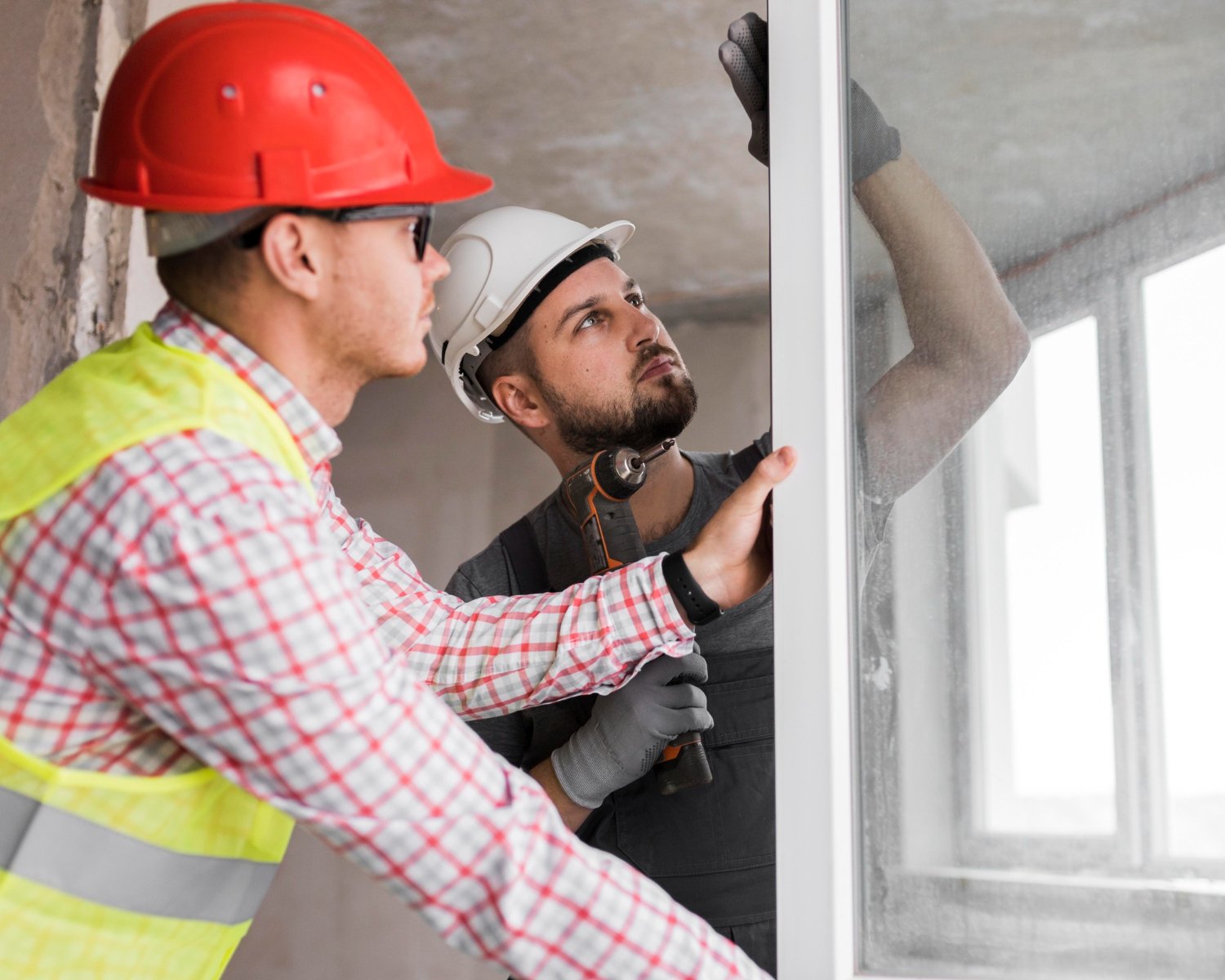
If you’ve never had sash windows properly serviced, here’s what a typical job involves:
- Assessment — A tradie inspects the frame, sashes, cords, glass, and paintwork. This takes 15–30 minutes per window.
- Access panel — A small section of the internal timber lining is removed to access the weight pocket. This is where the counterweights and cords sit.
- Sash removal — Both sashes are taken out and worked on flat. This is when old paint is stripped, timber is repaired, and new cords are measured and cut.
- Glazing check — The glass is inspected. If the putty is cracked or missing, it’s reapplied. If the glass is damaged, it’s replaced.
- Draught seals — Brush seals are fitted along the sides and meeting rail to stop air movement.
- Reassembly and adjustment — Sashes are rehung, cords are connected to the weights, and the window is tested to run smoothly.
- Finishing — The timber is primed and painted if needed, or left ready for the homeowner to paint.
A single window can typically be serviced in a few hours. A full house with 10–15 windows is usually a two-day job.
What Does Sash Window Repair Cost in Sydney?
Costs vary depending on the size of the window, the extent of the damage, and what services are included. Here’s a general guide:
- Sash cord replacement (both cords, single window): $150–$350
- Full sash window service (cords, draught seals, adjust and re-hang): $300–$600 per window
- Glazing repair or glass replacement: $80–$250 depending on glass type and size
- Timber rot repair (small area): $150–$400 per window
- Full frame replacement (where necessary): $600–$1,500+ per window
These are rough figures. A proper quote after an inspection will give you a more accurate number. Most reputable companies offer free or low-cost inspections.
Tip: Getting two or three windows done at the same time often reduces the cost per window, as the setup and travel time is shared across more work. |
Heritage Properties: What You Need to Know
If your home is heritage listed, or sits within a heritage conservation area (HCA), there are rules about what you can and can’t do to the exterior including windows.
In most Inner West LGA areas, including Balmain East, Haberfield, and parts of Annandale, you generally can’t replace original timber sash windows with aluminium or uPVC alternatives without council approval. Even if approval is possible, it can be difficult to get.
The better approach and usually the easier council path is heritage window restoration. This means:
- Keeping the original frame wherever possible
- Using matching timber species and profiles for any new sections
- Retaining the same glazing pattern and appearance
- Using appropriate paint colours as specified in the heritage schedule
A specialist who understands Inner West council requirements can make this process much smoother. It’s worth asking before you start any work.
Mistakes to Avoid with Sash Window Repairs
- Painting windows shut — It’s tempting to just paint over a sticky window, but this makes the problem worse and can eventually mean the sash is permanently sealed.
- Ignoring broken cords — A broken sash cord puts stress on the other cord and the frame. Fix it promptly, or you risk having the sash drop unexpectedly.
- Using expanding foam to seal draughts — Foam can push against the frame and cause cracking. Proper draught proofing uses fitted brush seals, not foam.
- DIY cord replacement without experience — It looks straightforward but getting the cord length wrong means the weights won’t balance and the window won’t sit correctly.
- Skipping the primer before painting — Bare timber needs a quality primer before top coats. Skipping this step leads to peeling within a season.
- Choosing a glazier who doesn’t understand sash windows — Not all glaziers know how to work with double-hung timber frames. Use someone who specialises in this type of work.
Frequently Asked Questions
How do I know if my sash cords need replacing?
If your upper sash drops on its own, or your lower sash won’t stay up without something propping it, the cords are likely broken or stretched. You may also hear a thud when a weight drops inside the frame cavity. A tradesperson can confirm this quickly.
Can I get double glazing in my existing sash window frames?
Yes, in most cases. Slimline double-glazed units can be fitted into original timber sash frames without replacing the whole window. It won’t be as thermally efficient as a purpose-built double-glazed unit, but it’s a meaningful improvement over single glazing and keeps the heritage appearance intact.
Is draught proofing worth it on old sash windows?
Absolutely. Draughts are one of the biggest complaints in older Inner West homes, especially in winter. Properly fitted brush seals can cut heat loss noticeably and reduce road noise too. It’s one of the most cost-effective improvements you can make, usually recouped within a season or two in lower heating bills.
Do I need council approval to repair my sash windows?
For like-for-like repairs same material, same appearance you generally don’t need council approval in most Inner West areas. If you want to change the material (for example, from timber to aluminium) or alter the appearance, you’ll likely need to check with council first, especially in heritage conservation areas.
How long does a sash window restoration take?
A single window can usually be fully serviced in two to four hours. A whole house can take one to three days depending on the number of windows and how much work is needed. Some jobs like rot repairs or custom glazing may take longer if parts need to be ordered.
Ready to Get Your Sash Windows Working Again?
If you’re in Balmain, Newtown, Leichhardt, Annandale, Glebe, Marrickville, or anywhere else across Sydney’s Inner West, getting your sash windows properly repaired is one of the best things you can do for your home.
Restored windows are more comfortable, quieter, and more energy efficient. And in a heritage property, they’re also part of what makes the home worth owning in the first place.
Sash Masters specialises in timber window restoration and sash window repairs across Sydney, with extensive experience in Inner West heritage properties. We assess, advise, and carry out all repair work from a single broken sash cord to a full multi-window restoration.
Get in touch with Sash Masters for a free, no-obligation quote. Visit sashmasters.com.au or call us to book an inspection. We work across all Inner West suburbs — and we know heritage properties. |